The Complete History of Korean Skincare
Discover the timeless evolution of beauty practices in Korea, from ancient herbal remedies to modern global phenomena.
Prehistoric Period
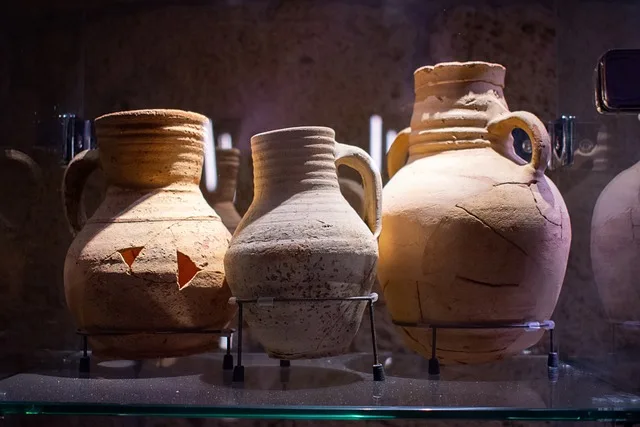
Archaeological evidence suggests the use of natural oils and herbs by early Korean
communities to protect and heal the skin from harsh environmental conditions.
Dig sites in Korea have unearthed pottery and storage vessels containing residues of
natural oils and herbal extracts. These were likely used for medicinal and cosmetic
purposes.
Three Kingdoms Period

During this period, skincare was closely tied to herbal medicine. Ingredients like ginseng and green tea began to be recognized for their healing and beautifying properties, setting the stage for later developments.
Unified Silla Period
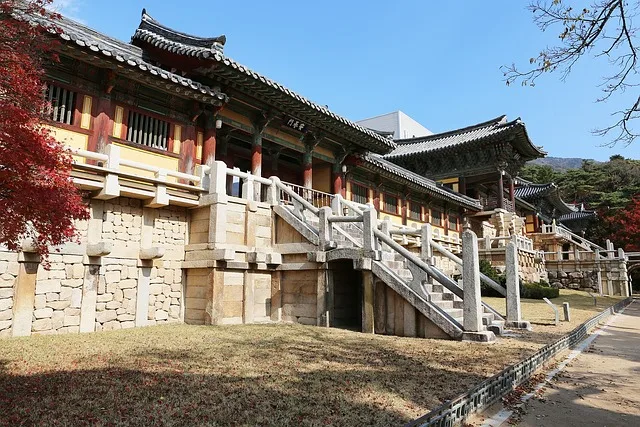
Known for its emphasis on beauty and cultural refinement, the Silla Kingdom saw the rise of skincare rituals among the elite. Facial creams made from camellia oil became popular during this time.
Goryeo Dynasty

The Goryeo Dynasty is often regarded as the birth of structured skincare. Mung bean powder was widely used as a natural cleanser, while jade rollers were introduced for facial massages.
Early Joseon Dynasty
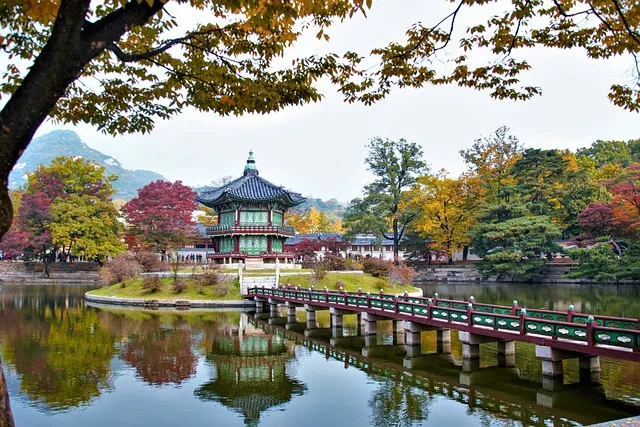
The Joseon Dynasty emphasized "inner beauty," promoting health and skincare as part of a holistic lifestyle. The "Dongui Bogam," an important medical text, documented the use of natural ingredients like rice water and camellia oil for skincare.
Late Joseon Dynasty
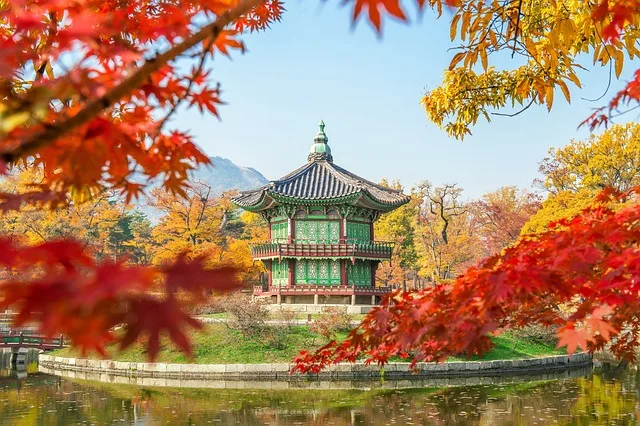
By the late Joseon period, beauty rituals became even more refined. Women used apricot kernel oil and honey masks to maintain youthful, glowing skin.
Colonial Period
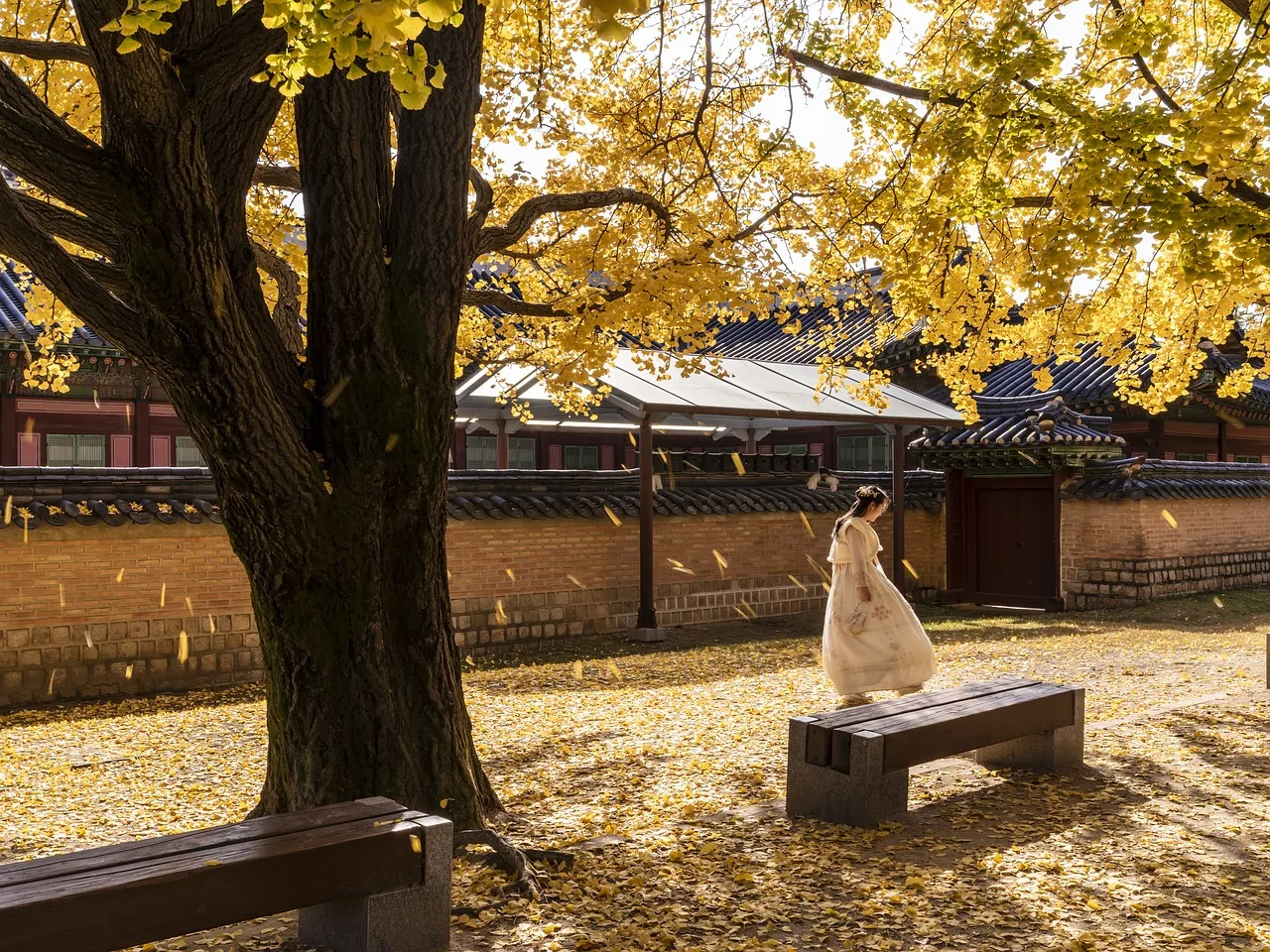
During the Japanese occupation, Western beauty products were introduced to Korea, blending traditional practices with new techniques. Korean women began experimenting with cold creams and powder-based cosmetics.
Korean War and Post-War Era

The hardships of the Korean War led to a decline in beauty practices, but post-war economic recovery saw the rise of local cosmetic companies and increased interest in skincare products.
Modern Innovation Begins
Post-liberation Korea marked the birth of modern skincare. The first Korean cosmetic companies emerged, creating products that married traditional herbal remedies with scientific advancements.
K-Beauty Revolution

The 1990s saw Korean beauty become a global sensation. Products like BB creams and sheet masks highlighted Korea's innovative approach to skincare.
Modern Era
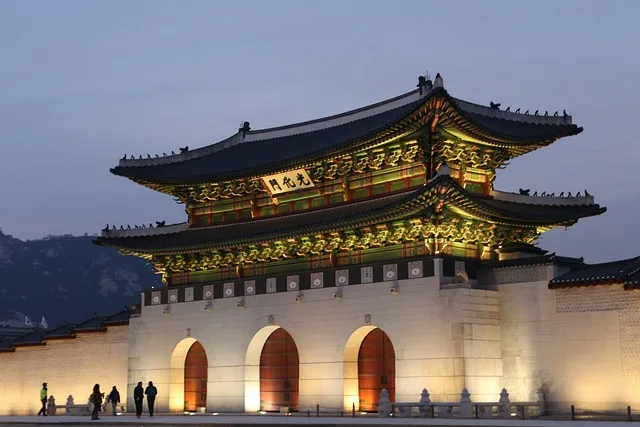
Today, the Korean beauty industry leads the way in innovation, focusing on sustainability and cutting-edge technology while honoring its rich traditions.